“Medium is the Message”: NÉA TÉCHNI Video Art Festival Took Place in Belgrade
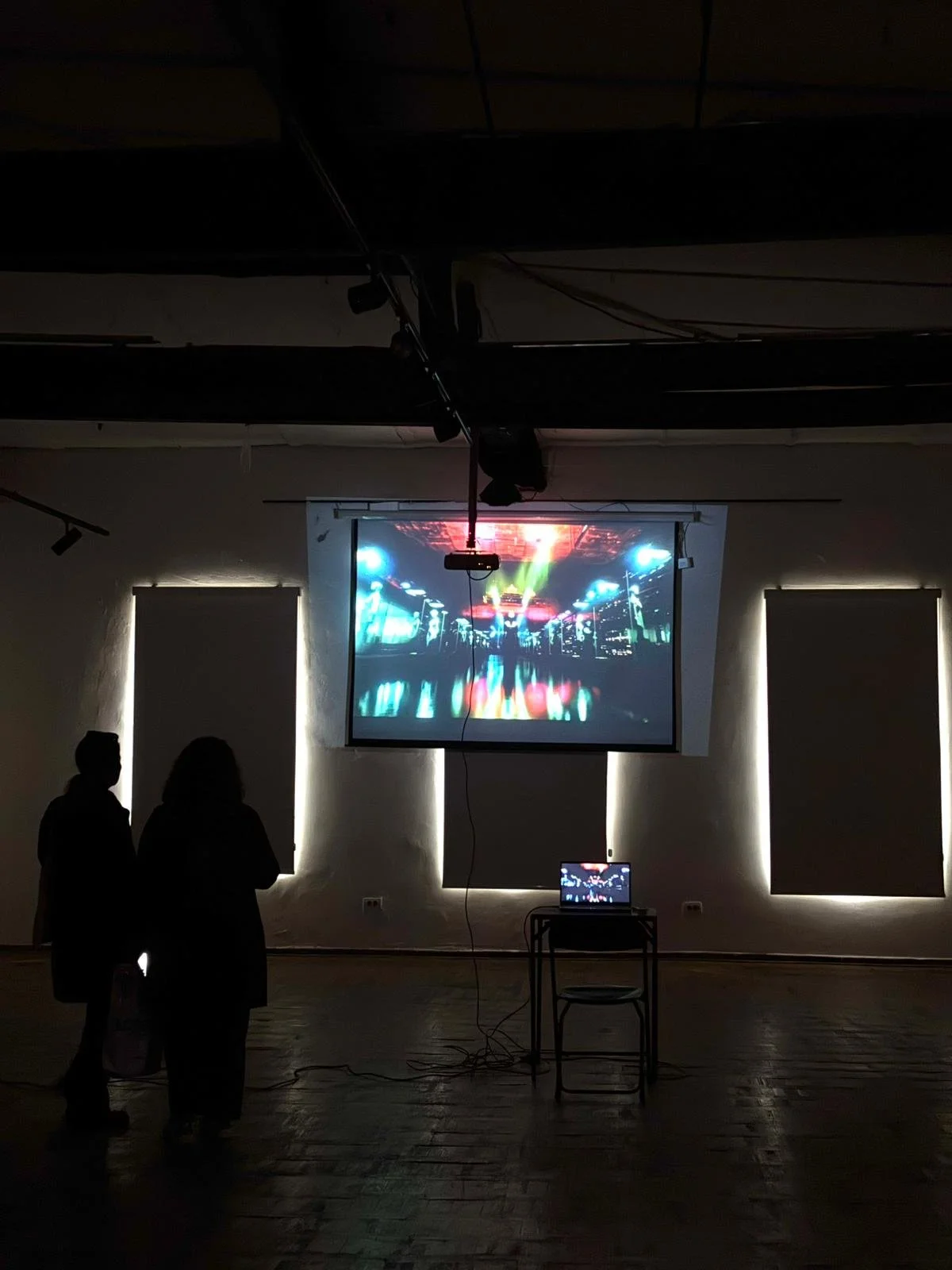
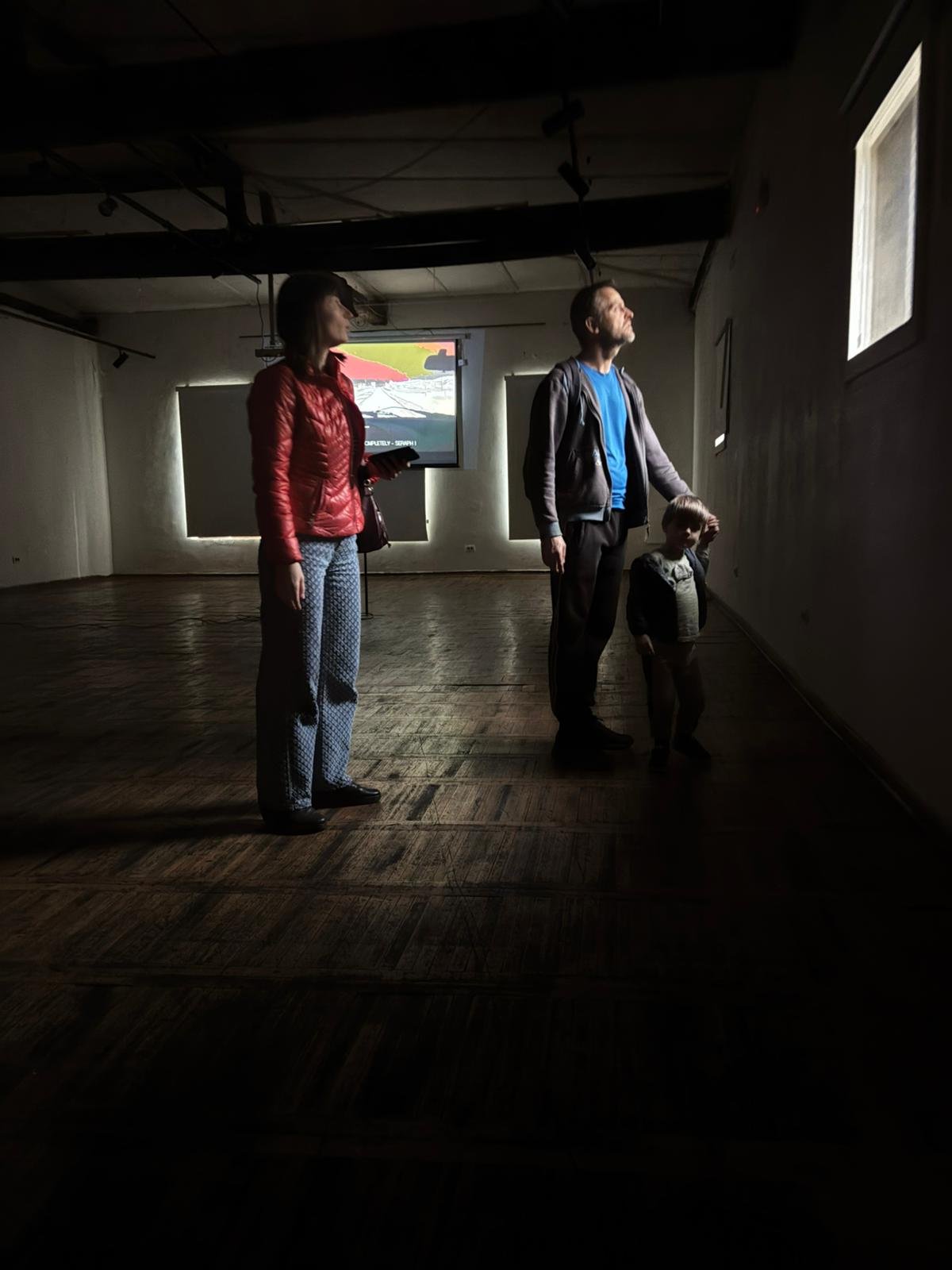
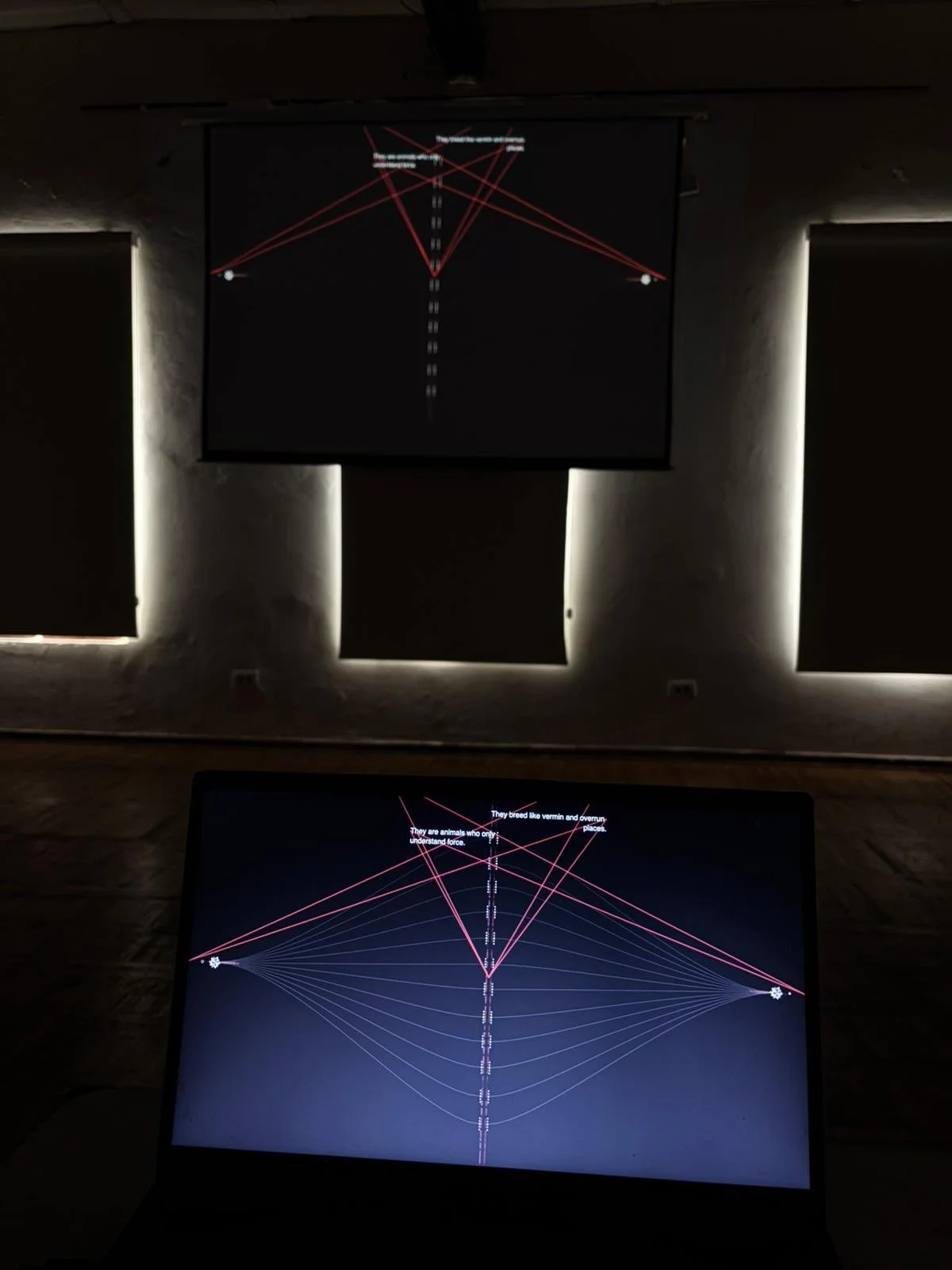
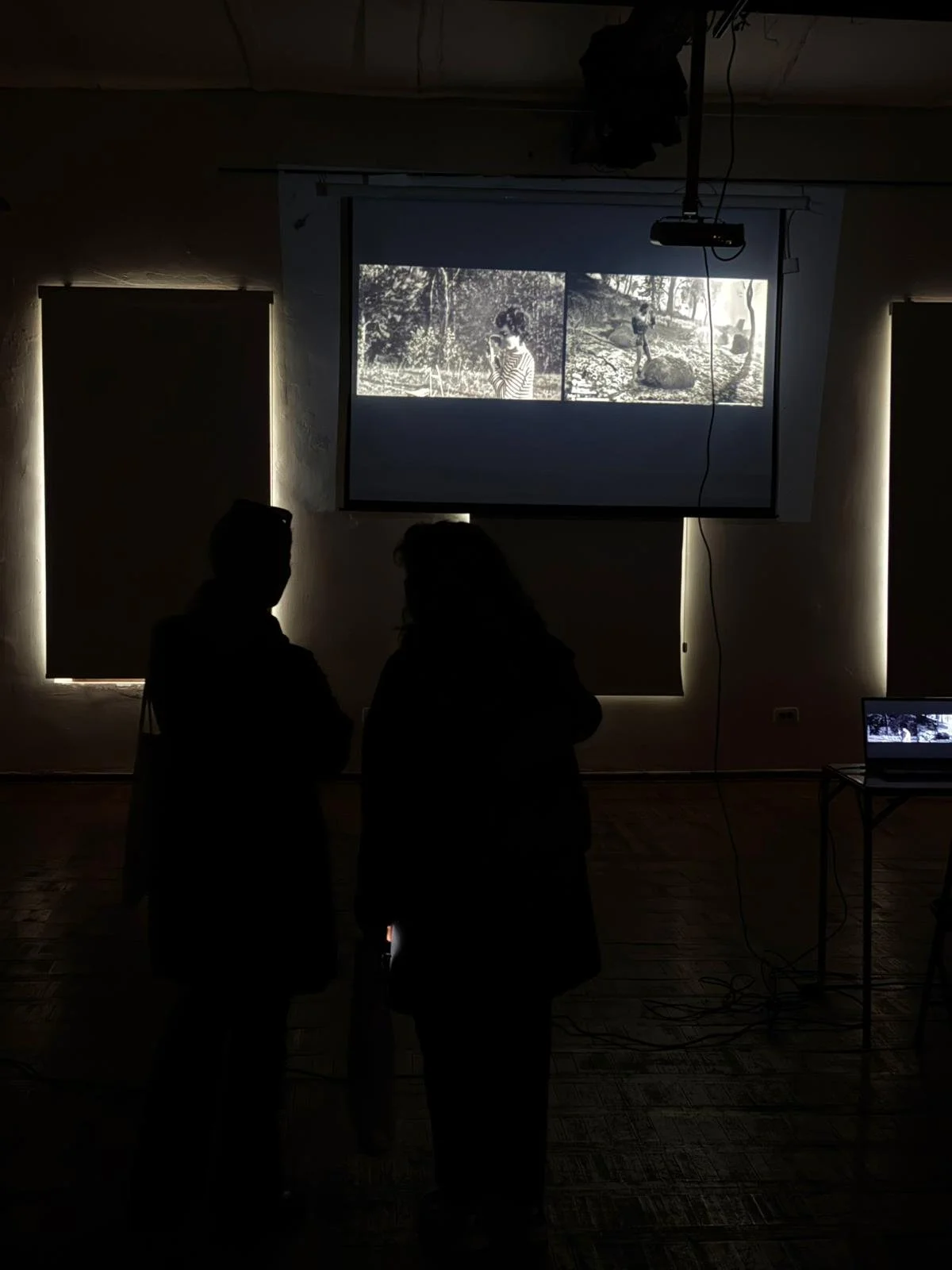
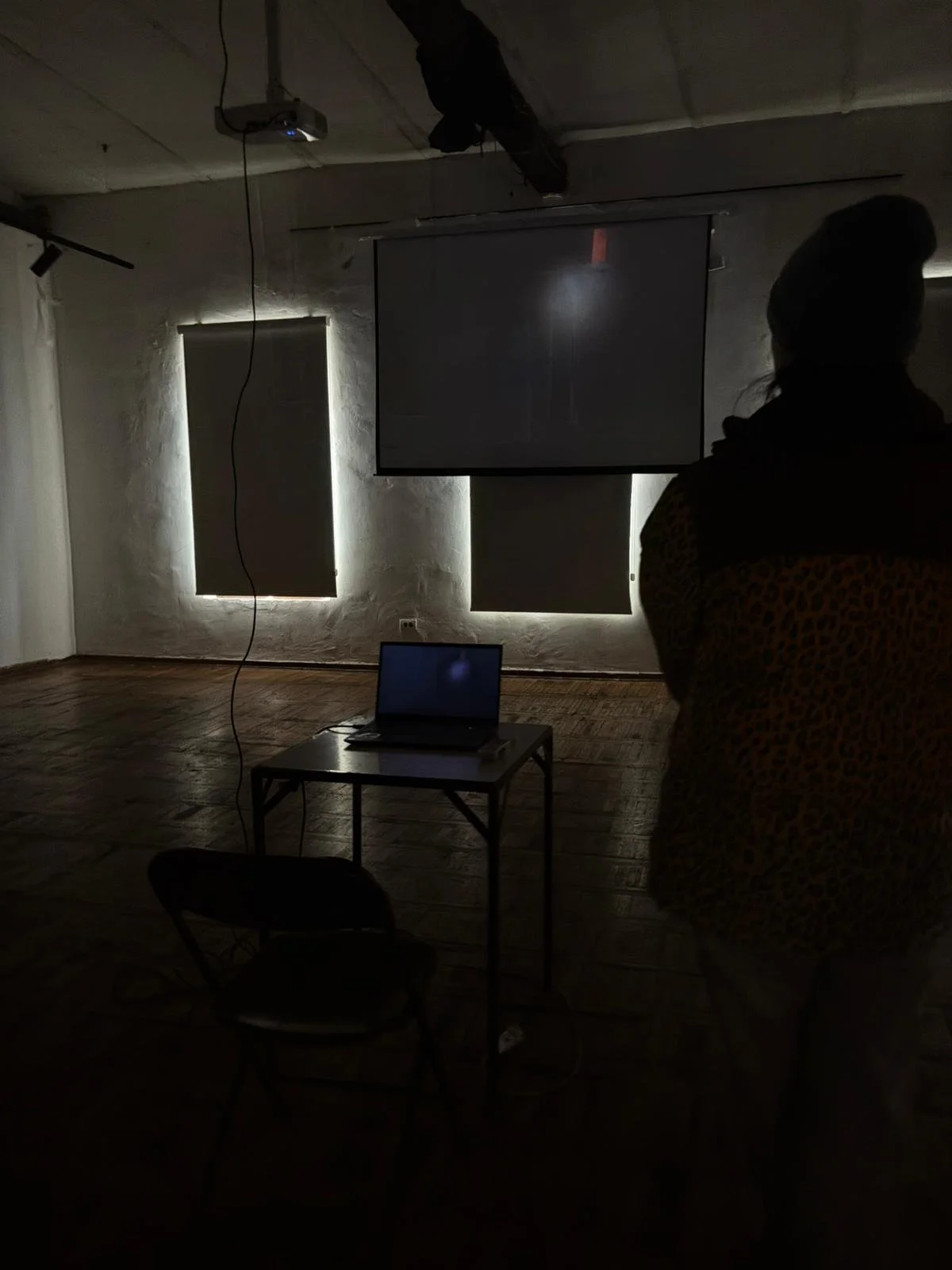
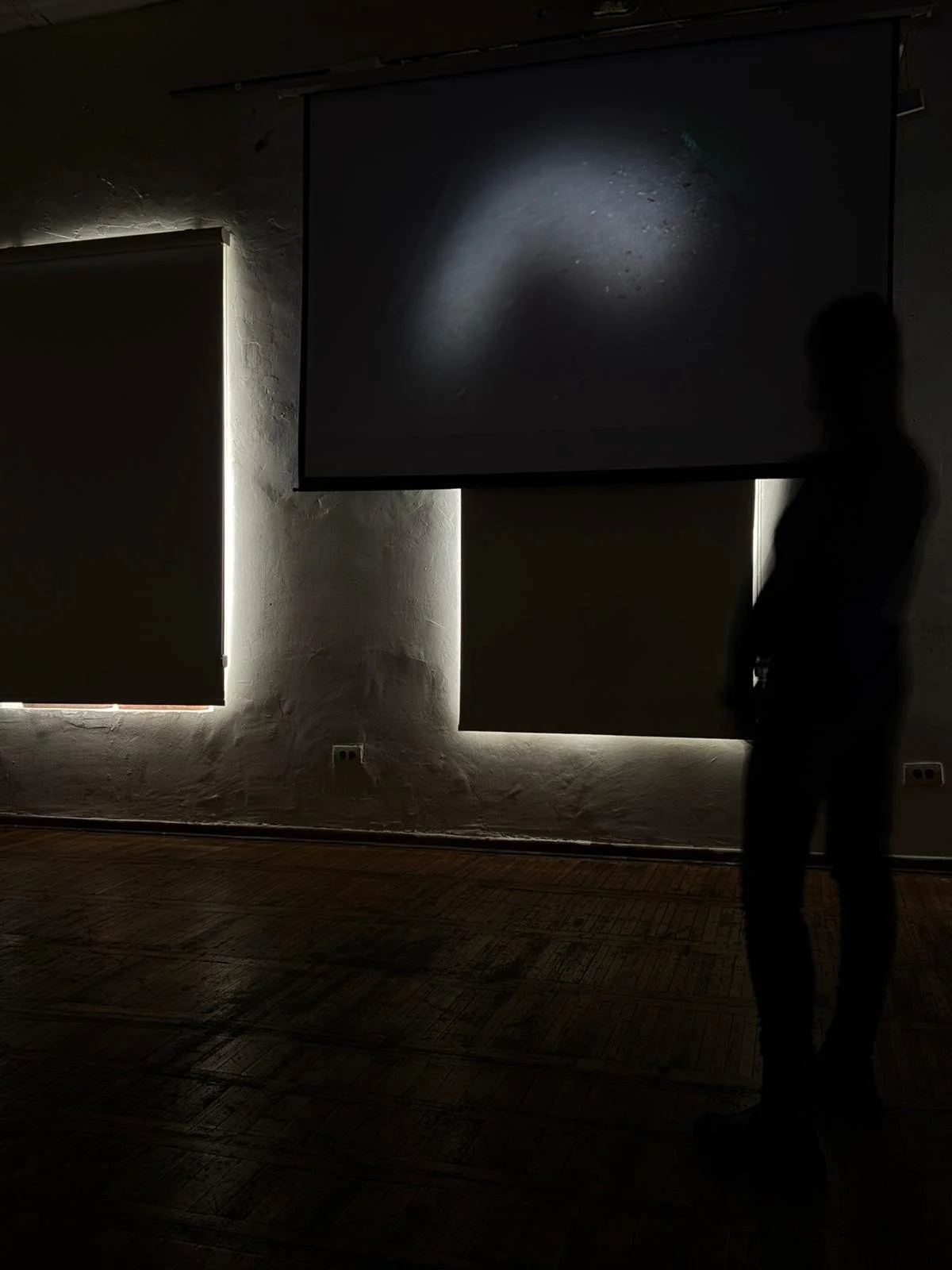
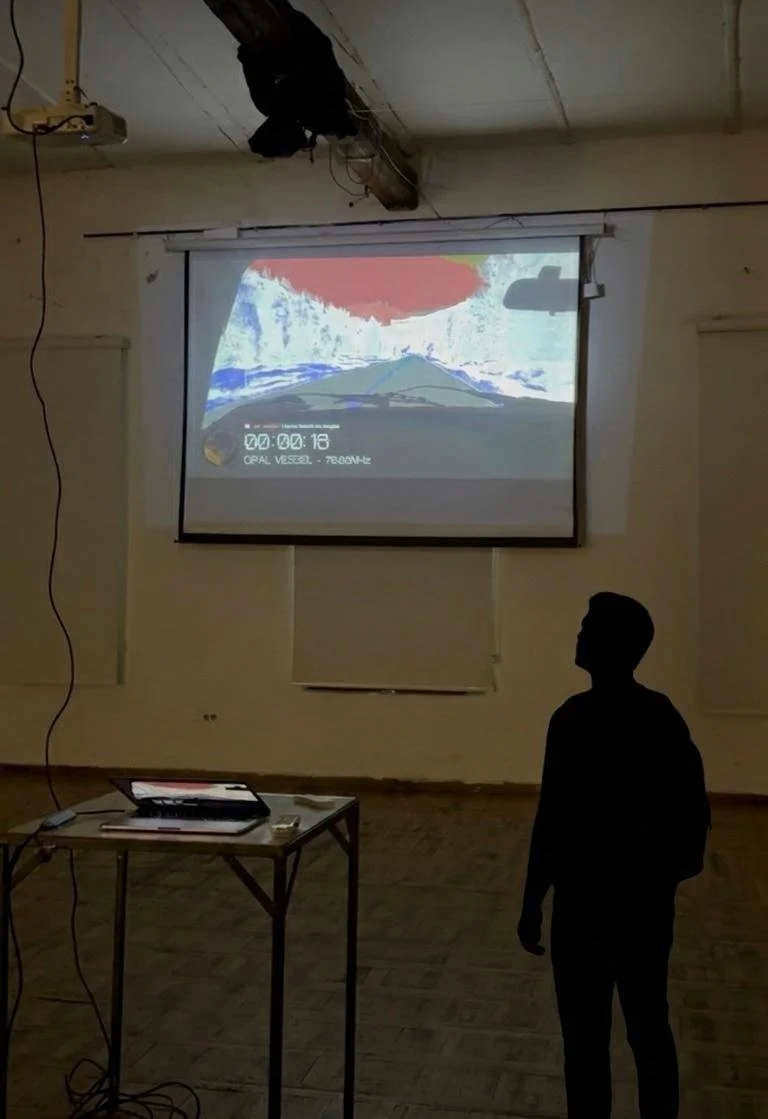
In early March 2026, the NÉA TÉCHNI Award launched a new initiative with the video art festival “Medium is the Message,” held atKC Grad in Belgrade from March 3–5, with an opening event on March 2. The festival marked an important step toward the future introduction of a dedicated Video Art category within the NÉA TÉCHNI Award.
The program was curated by Alexandra Orlova, an independent curator whose research focuses on video art, memory, and narrative transformation. Through her curatorial practice, Orlova investigates how time, recollection, and subjective interpretation shape visual storytelling in contemporary media.
Marshall McLuhan’s famous phrase from Understanding Media: The Extensions of Man profoundly shaped the trajectory of new media practices beginning in the 1960s. His idea that the medium itself carries meaning influenced generations of artists exploring emerging technologies and forms of communication. These concepts were interpreted in numerous ways, including the influential work The Medium Is the Medium by video art pioneer Nam June Paik.
Since then, video art has evolved through diverse creative strategies — from early one-channel “boring videos” to complex contemporary forms such as glitch aesthetics, algorithmic images, and expanded digital narratives. The growing vitality of this practice has led to the emergence of international festivals that provide artists with platforms to present their work and connect within a global community.
The NÉA TÉCHNI Video Art Festival explored how contemporary video artists navigate today’s complex visual landscape and construct new forms of visual storytelling. Bringing together emerging and mid-career practitioners, the festival investigated how moving image practices operate as narrative structures within the expanded field of new media.
Through an international open call, artists were invited to submit works for presentation at KC Grad – Cultural Center Grad in Belgrade. The selected works reflected artistic practices grounded in research across a wide range of disciplines, including philosophy, technology, memory studies, and social theory. The festival created a space where viewers could engage with artistic interpretations of complex ideas and contemporary realities.
Previously, Orlova curated the video art project Memoryscape, which explored the fluid and mutable nature of memory. The project examined how personal narratives evolve through oral retelling, gaps in documentation, and subjective interpretation, transforming memory into an ephemeral and malleable construct. Through video works addressing flashbacks, memory loss, vanishing landscapes, selective remembrance, and the experience of being “lost in translation,” Memoryscape created a reflective space where viewers encountered layered terrains of personal and collective memory.
Building on this conceptual framework, the NÉA TÉCHNI Video Art Festival presented a diverse international selection of artists whose works investigate time, perception, identity, and technological mediation. The festival offered audiences an immersive program of streamed video works and new perspectives on the evolving language of contemporary video art.
Artists presented during the festival included:
Pavel Checkulaev, Mila Nishatova, PollyT, Maxim Imanou Fadeev, Emily Sasmor, Jolene Mok, Yichu Li, Theo Macdonald, Guaiwu Sun, tannelvits, Vita Plavšić, täuelxsız, Johannes Christopher Gerard / Nathalie Launay, Ekaterina Shneider, Elizaveta Zipunova, Olga Arkadeva, Wenwen Deng, Katherina Sadovsky, Maryam Nazari, Topp & DubioDan Li, Alfiya Shamsutdinova, #FFFF00, Ben Dawson, Natasha Dunk, Alexander Tarasenko, Aaron Alexander Smyth, Edlen Lavan, Anna Afanasyeva, Aram Karsi, and Zibeyda Seyidova.
The festival represented an important expansion of the NÉA TÉCHNI Award’s platform, reflecting the growing significance of moving-image practices within contemporary art. By introducing a dedicated space for video art, the initiative aims to support experimental forms of storytelling and engage audiences with the shifting possibilities of digital and time-based media.
A comprehensive curatorial essay reflecting on the creation of the festival, the selection process, and the participating artists is currently in preparation.
Location: KC Grad, Belgrade
Festival: NÉA TÉCHNI Video Art Festival
Dates: March 3–5, 2026
Curator: Alexandra Orlova