
Medium Is the Message: Inside the NÉA TÉCHNI Video Art Festival
KC Grad — Cultural Center Grad, Belgrade · 3–5 March 2026 · Curated by Alexandra Orlova
In this feature, we present the artists who took part in the NÉA TÉCHNI Video Art Festival — the moving-image works they brought to Belgrade, and the ideas behind them. What follows is an introduction to the festival and its curatorial frame, followed by the participating artists and their pieces, in their own words, lightly edited.
The festival
In early March 2026, the NÉA TÉCHNI Award launched a new initiative: a video art festival under the title Medium Is the Message, held at KC Grad — Cultural Center Grad in Belgrade from 3 to 5 March, with an opening event on 2 March. The festival marked an important step toward the future introduction of a dedicated Video Art category within the NÉA TÉCHNI Award.
The title points back to Marshall McLuhan, whose phrase from Understanding Media: The Extensions of Man shaped the trajectory of new media practices from the 1960s onward. His idea that the medium itself carries meaning influenced generations of artists working with emerging technologies and forms of communication — an idea taken up, among many others, in the work of video art pioneer Nam June Paik. Since then, video art has moved through a wide range of creative strategies, from early single-channel "boring videos" to contemporary forms such as glitch aesthetics, algorithmic images, and expanded digital narratives. As the practice has grown in vitality, international festivals have emerged to give artists platforms to present their work and to connect within a global community.
The NÉA TÉCHNI Video Art Festival set out to explore how contemporary video artists navigate today's complex visual landscape and construct new forms of visual storytelling. Bringing together emerging and mid-career practitioners, it examined how moving-image practices operate as narrative structures within the expanded field of new media. Through an international open call, artists were invited to submit works for presentation at KC Grad, and the selected pieces reflected practices grounded in research across philosophy, technology, memory studies, and social theory — creating a space where viewers could engage with artistic interpretations of complex ideas and contemporary realities.
The curator
The program was curated by Alexandra Orlova, an independent curator, art historian, and PhD researcher whose practice bridges theory, philosophy, and contemporary exhibition-making. With a PhD from the State Institute of Art Studies and a background in art history from the Stroganov Moscow State Academy of Arts and Industry, Orlova's curatorial work moves between physical and digital spaces, responding to the complexities of a constantly changing world. Her projects often explore trauma, social memory, personal narratives, and the impact of cultural movements on contemporary artistic practice. For her, the curatorial is "a way to fix our broken world" — creating spaces that invite belief, reflection, and shared experience.
Orlova's earlier video art project Memoryscape explored the fluid and mutable nature of memory, examining how personal narratives evolve through oral retelling, gaps in documentation, and subjective interpretation. Building on that conceptual framework, the NÉA TÉCHNI Video Art Festival presented an international selection of artists whose works investigate time, perception, identity, and technological mediation, offering audiences an immersive program of moving-image works and new perspectives on the evolving language of contemporary video art.
The artists
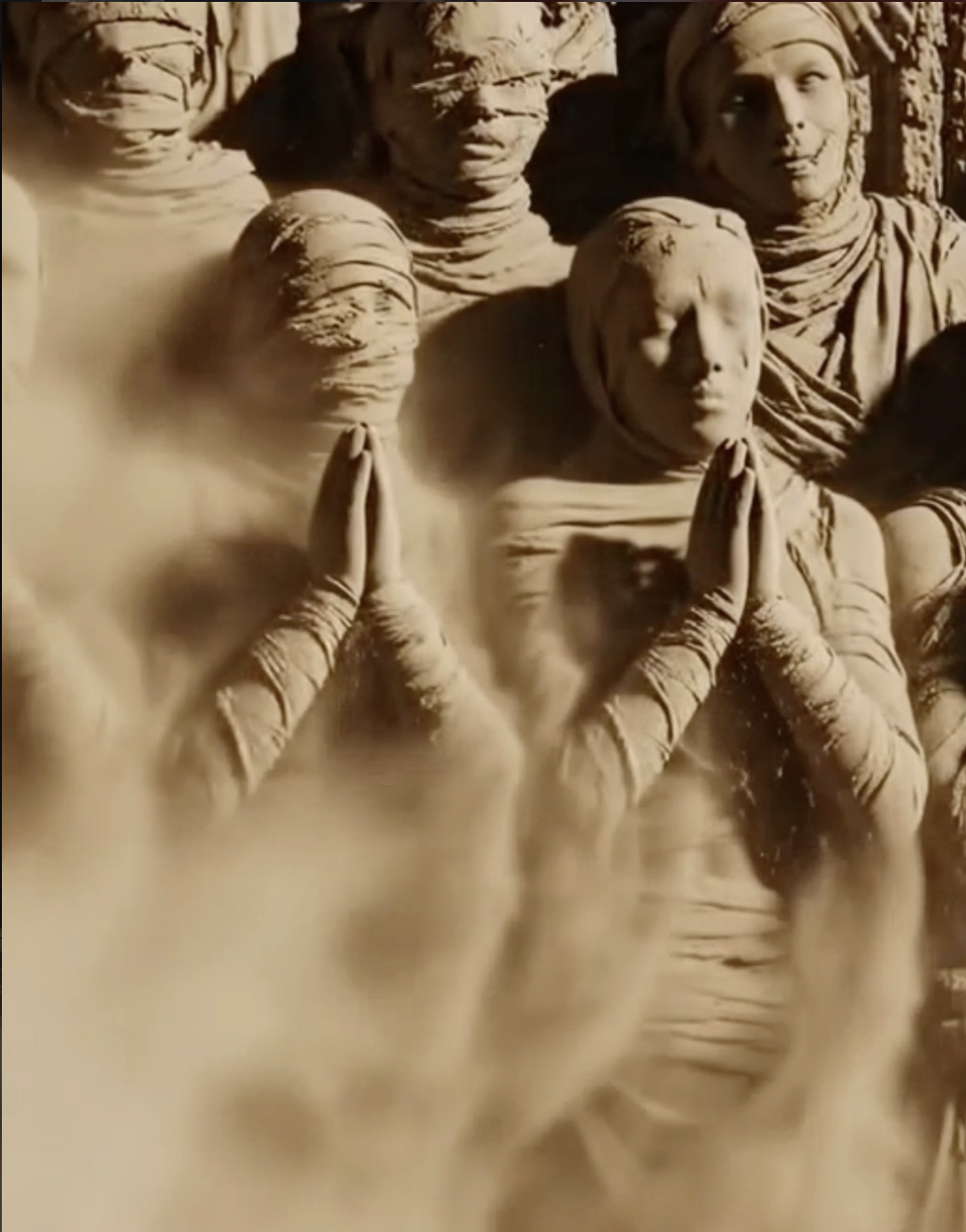
Aram Karsi — RAW (2025)
Russia · Hauntology
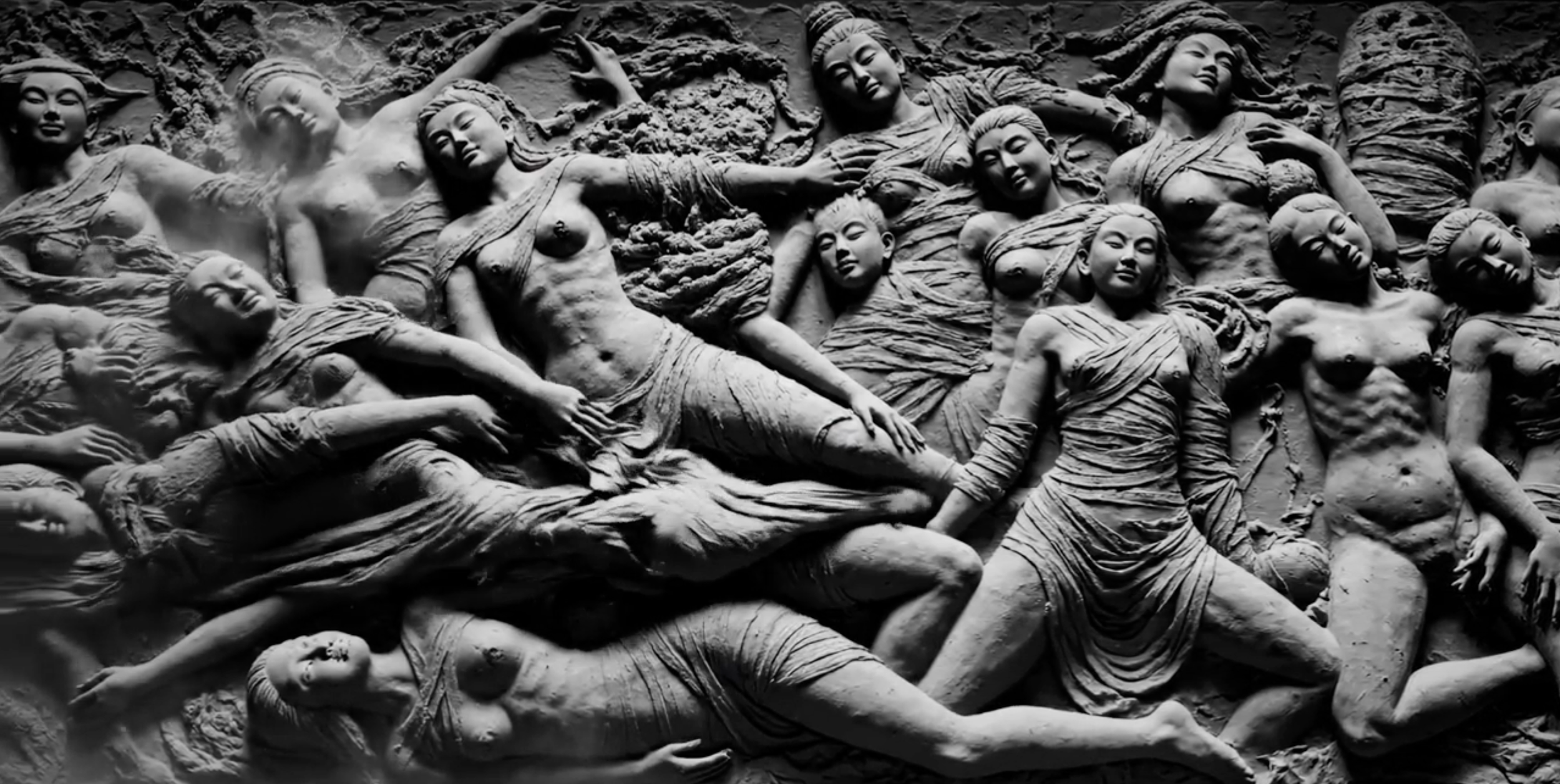
A ritualistic film-poem about how the human image turns into "raw material" — sand, mud, ash, and digital matter from which new bodies are assembled again and again. Here "raw material" is meant both literally and metaphorically: as the clay, mud, and ash from which the body is formed and to which it returns, and as "raw data," the unprocessed material from which an algorithm reconstructs the appearance of life. Technology operates as an environment in itself — a machine for processing visual memory. The algorithm assembles bodies from fragments and produces not recognizable faces but collective masks; not individual stories but the rhythm of a mass. The work becomes a metaphor for the violence of history — war, repression, dehumanization — while also reflecting on the nature of generative models, which operate on many images at once and so produce a collective body within a single frame.
Anna Afanasyeva — 31 days (2021/2026)
Russia · Memory studies
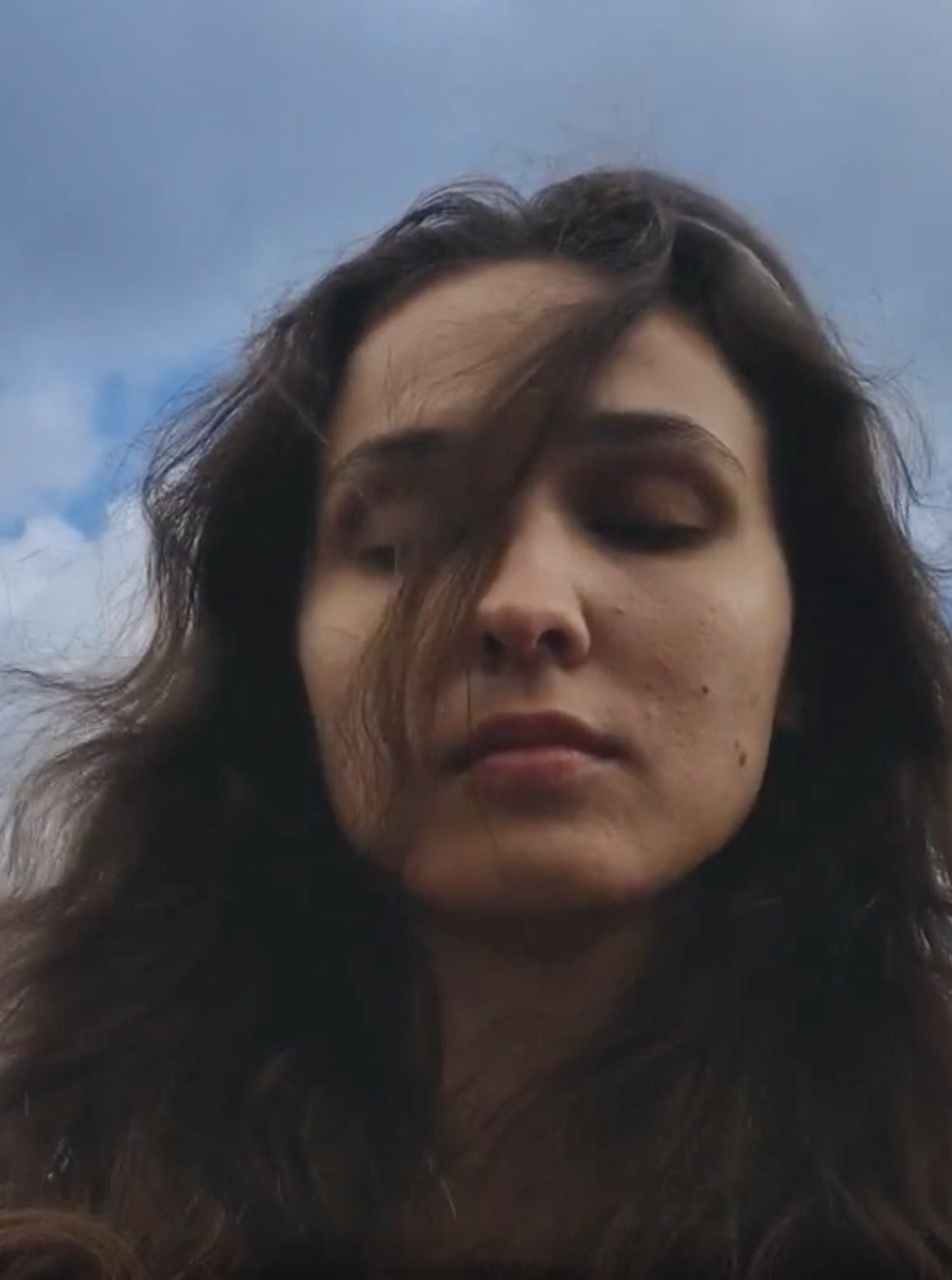
This work began as a research project on attention, but over time it evolved into an exploration of memory and its fragile structure. Six years ago, the artist set out to make one video étude every day for a month, wanting to see what would leave an impression strong enough to become the visual mark of a particular day. For years the project existed as a series of separate videos; recently the material was edited into a single piece. In this form the work resembles a map of travels, conversations, and emotions from mid-July to mid-August 2021. But some videos were lost, and the final structure partly breaks this linearity — so the work no longer functions as a diary in the traditional sense. Instead it becomes something closer to a "memory of a memory": what began as an attempt to document reality transforms into a video-essay on a month of life reconstructed through fragments, reflecting on how attention shapes memory and how memory slips away.
Edlen Lavan — Creative Labour (2025)
Israel · Other
Creative Labour is a video work about invisible feminine labour and the birth of ideas. Set in a bathroom, it turns a private moment under running water into a space of artistic production. What looks like stillness becomes transformation: impostor fear shifts into self-recognition, anxiety into restoration, vulnerability into the courage to appear in the world. Creativity is treated as a bodily experience — ideas are not flashes of inspiration but forms carried over time, endured, and finally brought forth. Water acts as both atmosphere and medium, dissolving, pressing, reshaping. Away from the public gaze, identity softens; doubt tightens like a contraction; silence stretches. Then comes release — the idea clarifies, and a renewed self emerges. By presenting the bathroom as both studio and delivery room, the work proposes a cyclical model of feminine creativity: immersion, tension, alignment, renewal. This labour often remains unseen, yet it sustains everything that later becomes visible.
Aaron Alexander Smyth — Caoineadh na Maighdine (2020)
Ireland · Memory studies
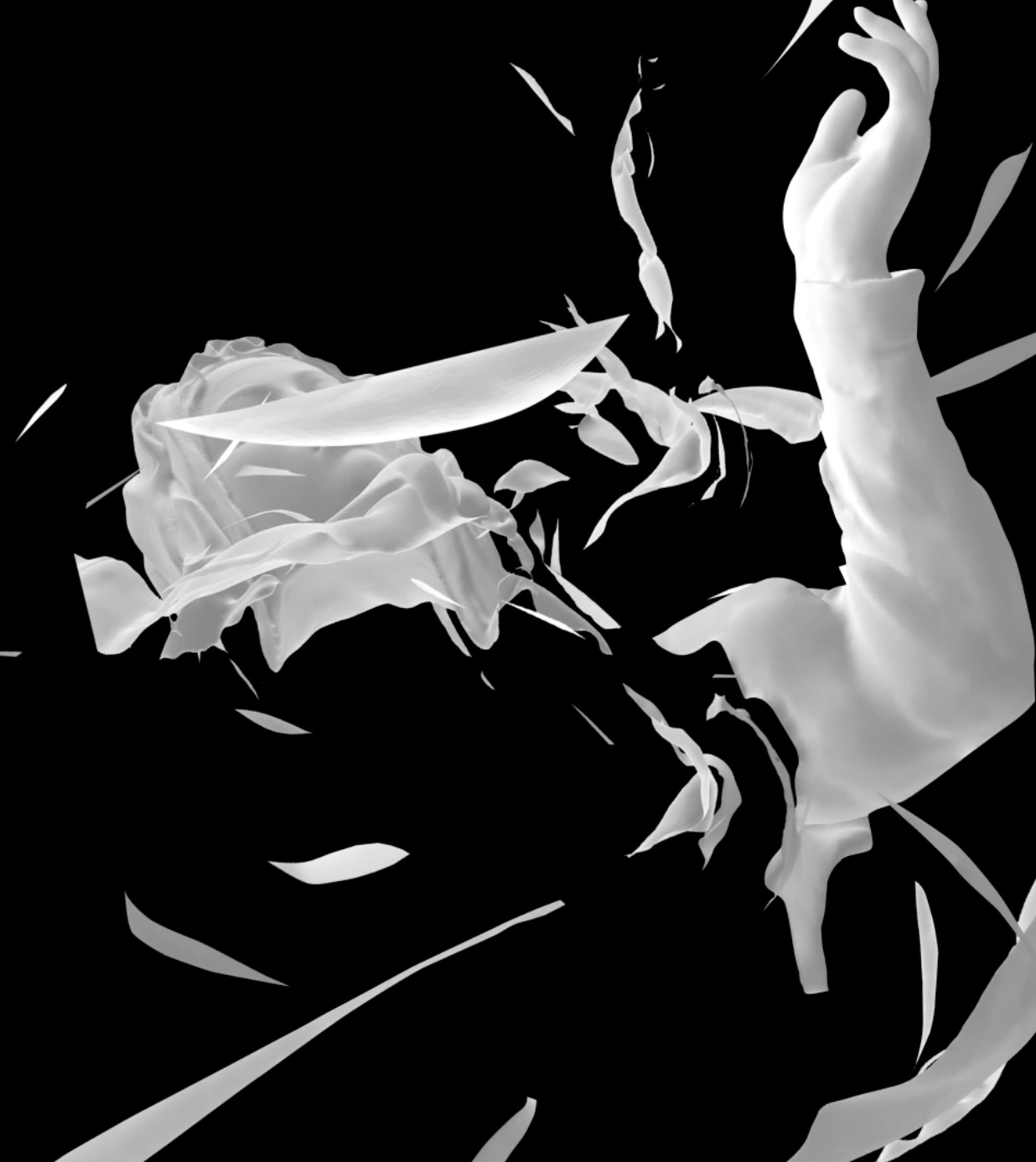
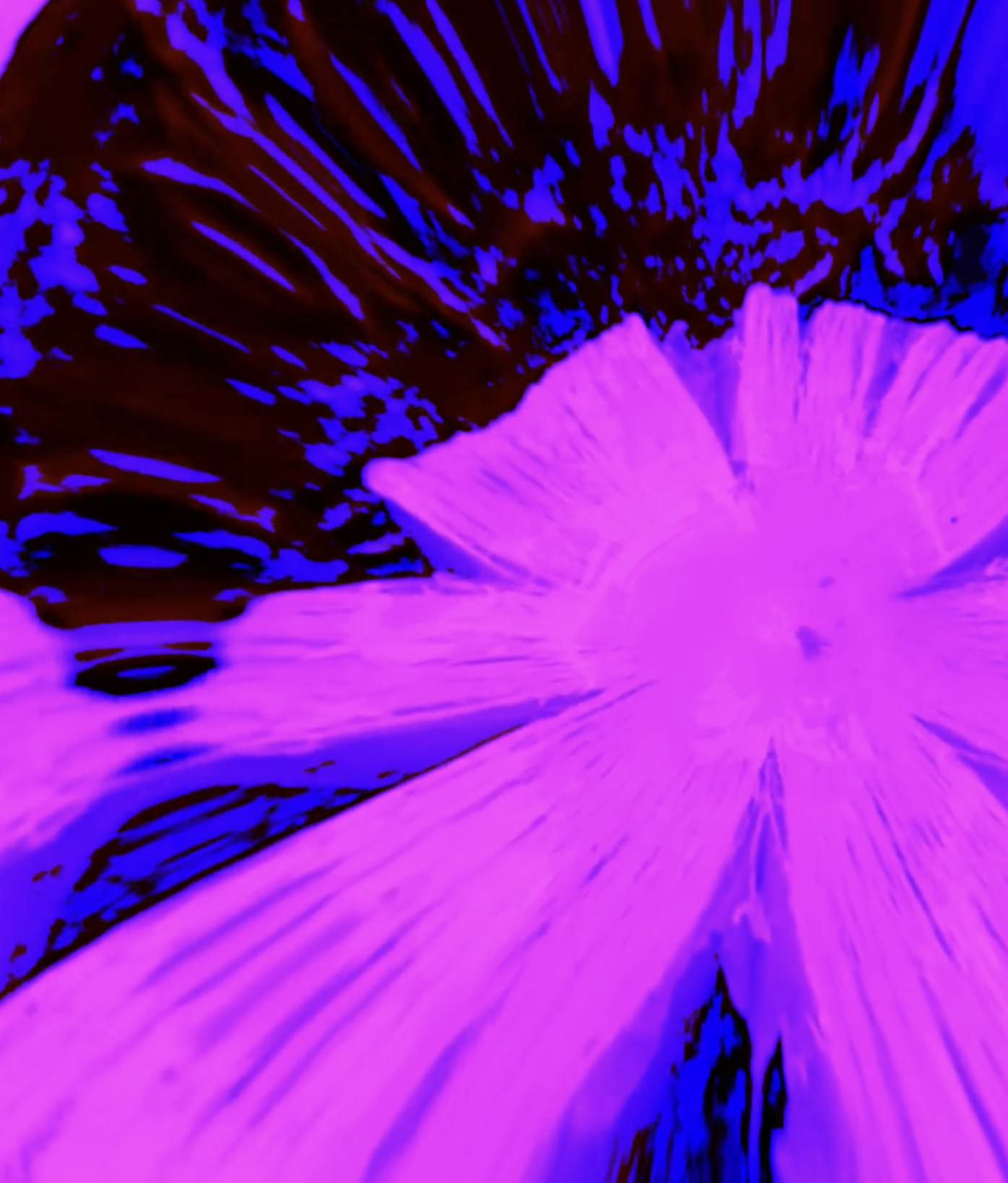
Taking the Pietà as a reference, Smyth re-contextualises this motif within an Irish setting, offering a tender reflection on memory and loss. Digital sculpture opens an inward, fractured viewpoint, freeing the figures from marble into a space between presence and dissolution. The title — evoking keening and lamentation — echoes through the work's rhythmic loops. Here the digital medium shapes the meaning it carries: its shifting, unstable perspective mirrors the fragility of memory and the haunting traces that persist in grief. Drawing on psychogeography and post-humanist thought, the work places the body within a mediated terrain where internal, emotional, and digital spaces merge, reimagining mourning in a contemporary context as both ritual and mediated experience. In doing so, it resonates with the festival's broader aim: to explore how artists deploy emerging media not only to depict the world but to reshape how we perceive, remember, and emotionally navigate it.
Alexander Tarasenko — It Is Stronger Than You 2019 (2026 edition) (2026)
United Kingdom · Memory studies
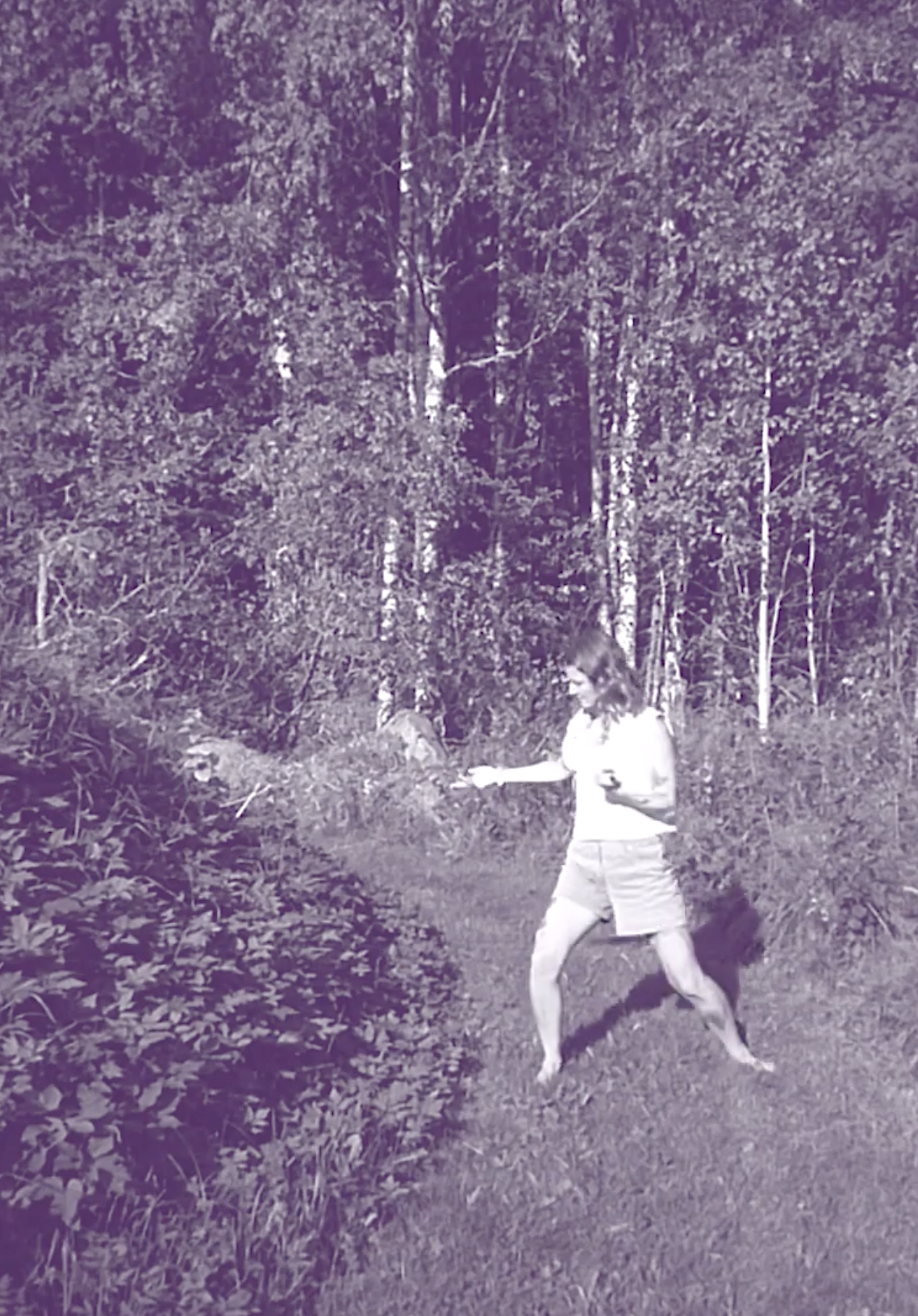
The artist wanders through the neighbourhood, scanning the objects underfoot with a torch — the beam standing in for the movement of his gaze. He is lost in the corridors of his own mind, which has become a metaphoric maze, as he tries to recover forgotten patterns of memory.
Natasha Dunk — Tasty Soup (2025)
United Kingdom · Art & science
Tasty Soup is an experimental film that explores how memory resides within the body and the landscape. Through its meditation on time and nature, the film reflects on the non-linear ways memories are experienced and how they live on within physical spaces. Rather than presenting memory as a fixed narrative, it approaches remembrance as something cyclical and sensory — held in gestures, textures, rhythms, and the quiet repetitions of the natural world. The body becomes an archive, carrying traces of lived experience in movement, breath, and touch, while the landscape serves as a parallel vessel of memory, marked by growth and seasonal return. In drawing these two spaces together, the film suggests that memory is not only something we recall, but something we inhabit. Through this interplay between human presence and the natural environment, Tasty Soup proposes that memories persist not only internally but materially — lingering within physical spaces.
Ben Dawson — ARBITRARY NAMES CANT DEFINE SUCH TASTE (2021)
United Kingdom · Post-Humanism
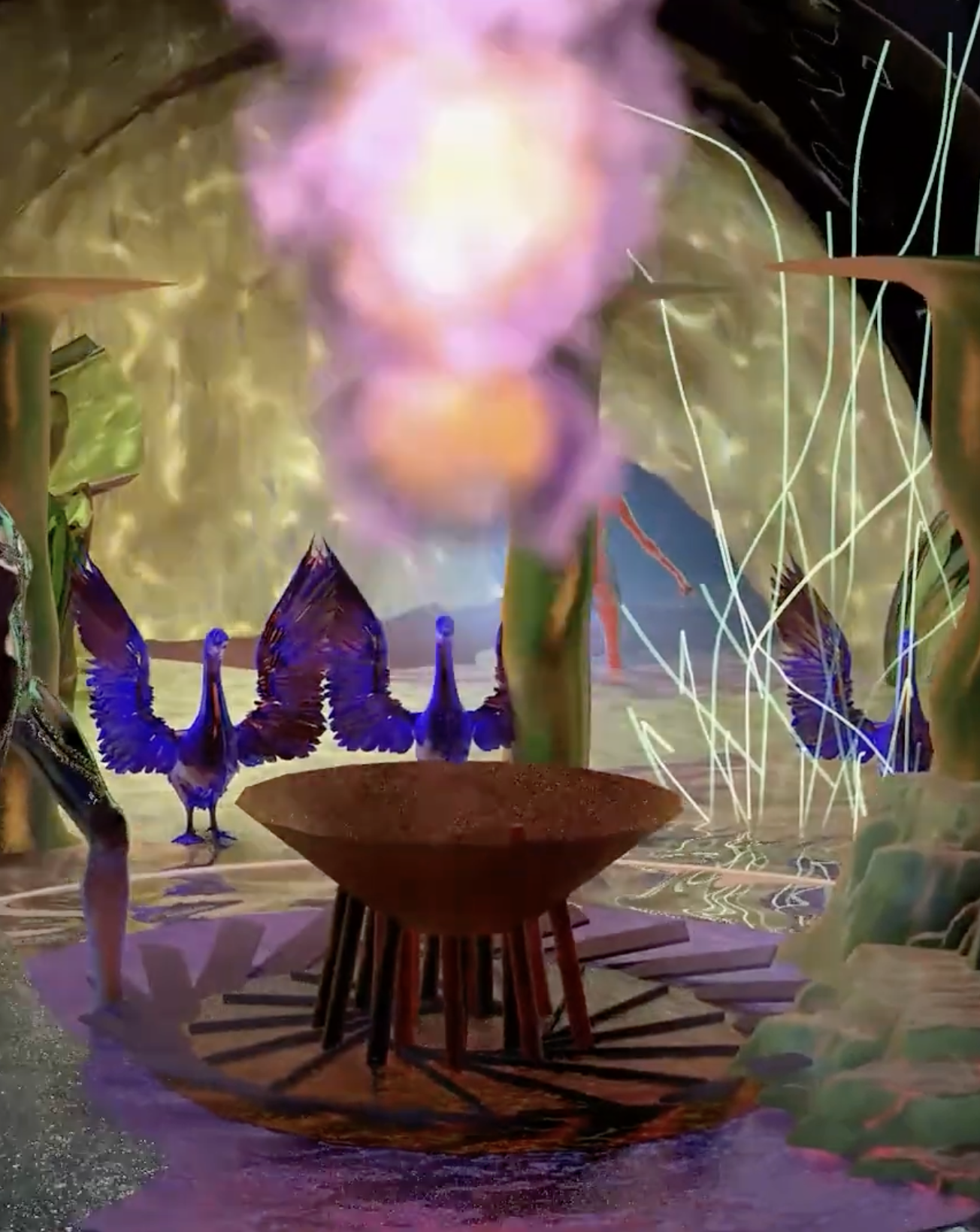
ARBITRARY NAMES CANT DEFINE SUCH TASTE is Dawson's first solo exhibition merging the physical and the digital. Working within a narrative framework that plays with alchemical magic, Dawson asks how queer positionality might be reframed within — and out of — the pixel. How can I tell you I love you without emitting pixels or calories? When language fails and the literal words won't come, when the body can't capture such motion, how do you propose a truth — a truth that exists as a multiple? I am not singular, and neither is the language of the pixel and the self.
#FFFF00 — The Silence Between Signatures (2025)
Taiwan · Hauntology
A silent video of the artist writing a poem with a finger on a palm. The poem was generated by artificial intelligence — inspired by the Treaty of San Francisco — and then revised by the artist, who is Taiwanese, into a version that speaks to her own connection to that history. The Treaty of San Francisco was a post–World War II peace treaty between several nations and Japan, and it shaped the dispute over Taiwan's status: Japan merely "renounced" its rights to the island without specifying who holds sovereignty over it. The work draws together collective and personal experience — a historical treaty that still influences the present, an AI that draws on collective data, and the artist's own interaction with both — foregrounding language that is present yet opaque, and the body as the vessel for "our version of history."
Alfiya Shamsutdinova — 30 minutes out of 11 000 years (2025)
Russia · Memory studies
A two-part project exploring the intersection and coexistence of the many stories the artist carefully collects and reflects upon. The first part gathers accounts from residents of Perm about their native land, woven into distinctive patterns drawn from different sources and given form as a series of zines. The second part is a thirty-minute Zoom diary — recorded 12:15–12:45 on 6 March 2025 — documenting the daily lives of city residents, where each person becomes part of a shared narrative that reflects time and looks at once inward and into historical perspective.
Dan Li — Seeking Tong Hu (Linking Lake) (2024)
China · Psychogeography
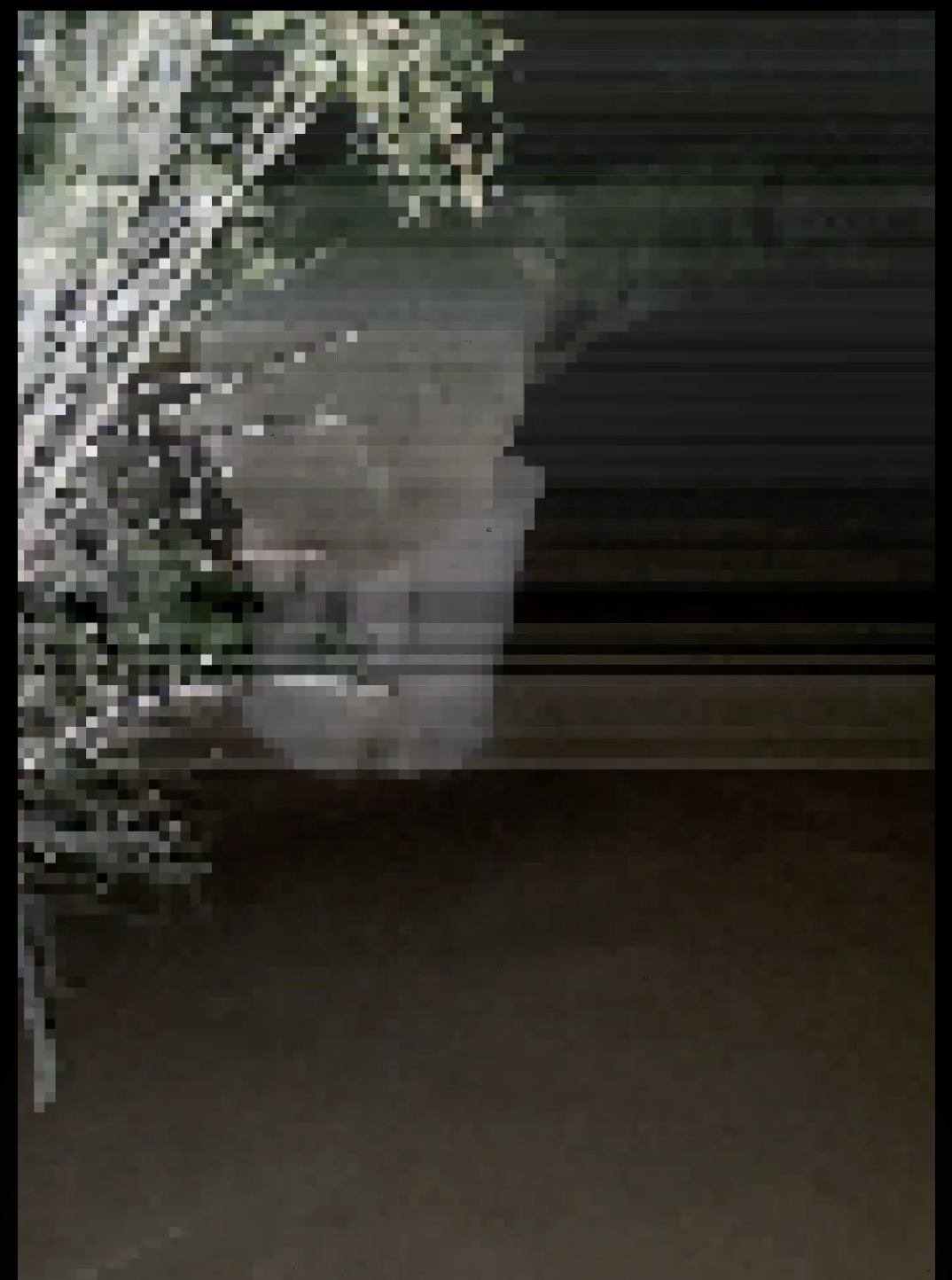
A short film about the desire to escape in an era of fences. It follows a journey toward Tong Hu (Linking Lake), unfolding like a mysterious sleepwalk — uncanny yet strangely comforting. The artist is drawn to place names that exist outside official systems: in the Gobi Desert, herders orally name certain dunes as lakes, such as Cloud Lake — a vegetated dune seen as a lake, perhaps once holding water, perhaps sustained by imagination alone. Tong Hu is believed to be an underground lake connecting distant places; though there is no scientific proof, the image stays powerful in an age of wire fences and satellites. The film adopts the aesthetics of first-person pixelated horror games and "backrooms" footage, using glitches as moments of passage where the virtual and the real blur. A Mongolian woman's voice guides the work as a shaman-like vision, alongside the artist's own as the first-person player.
Topp & Dubio — Stranger than Paradise (2025)
Netherlands · Psychogeography
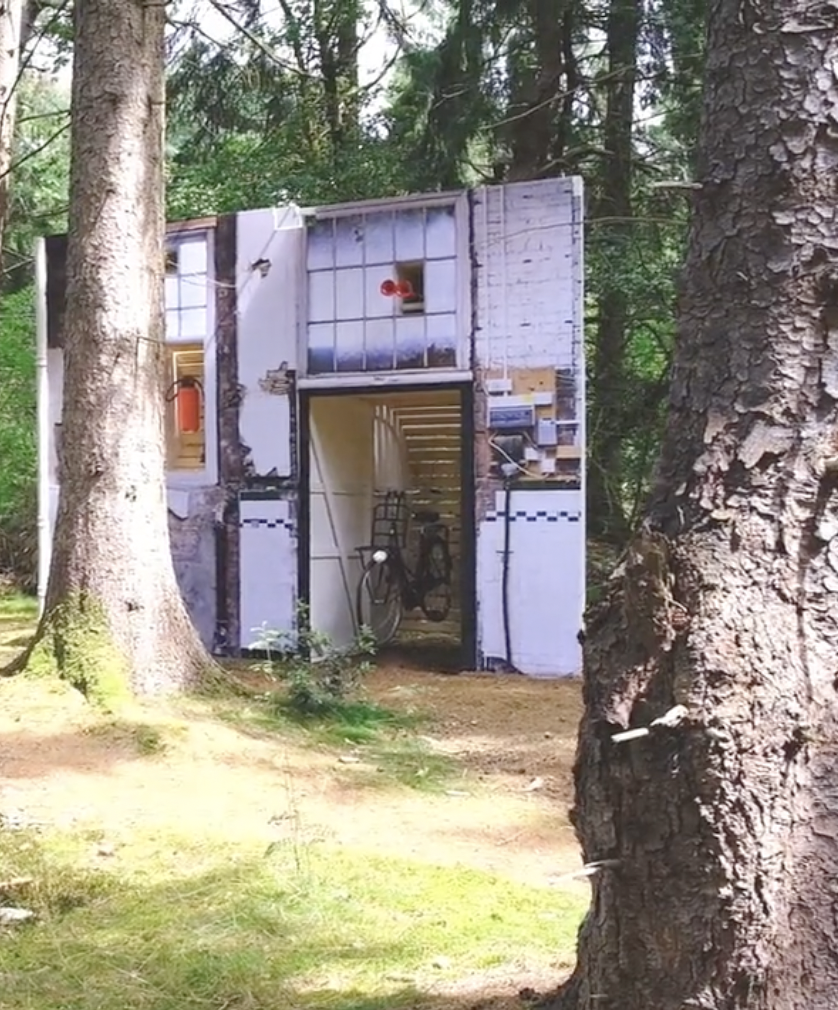
Two uniformed guards stand watch over a dysfunctional brick wall, inexplicably erected in the middle of a forest. The initial peace and tranquility of nature is disturbed from various angles — and sometimes the real threat comes from within. Stranger than Paradise questions our attempts to preserve an illusion of control.
The NÉA TÉCHNI Video Art Festival represents an important expansion of the NÉA TÉCHNI Award's platform, reflecting the growing significance of moving-image practices within contemporary art. By introducing a dedicated space for video art, the initiative aims to support experimental forms of storytelling and to engage audiences with the shifting possibilities of digital and time-based media. A comprehensive curatorial essay reflecting on the festival, the selection process, and the participating artists is in preparation.